
Famous Rivers of the World (with Maps)
There are about 165 major rivers in the world, but these fourteen are some of the most famous.
Let’s explore some facts about these world-famous waterways.
Nile River – the longest river in the World
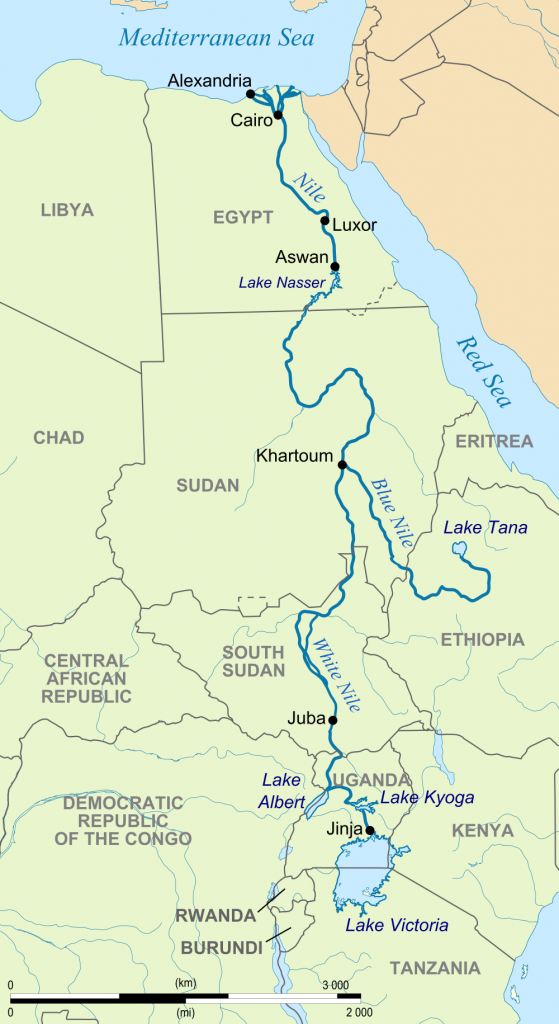
The Nile River, located in northeastern Africa, is the longest river in the world at about 4,132 miles. When most people think of the northward-flowing Nile, they think of Egypt.
However, the river flows through eleven countries: Tanzania, Uganda, Rwanda, Burundi, the Democratic Republic of the Congo, Kenya, Ethiopia, Eritrea, South Sudan, Sudan and Egypt.
The Nile played an extremely important role in the history of Ancient Egypt.
Most of Egypt is desert, but the soil along the Nile River is perfect for growing crops.
For the Ancient Egyptians, the most important crops were wheat, flax, and papyrus. Wheat was used to make bread, flax to make clothing, and papyrus to make baskets, paper, sandals, and rope.
The Ancient Egyptians used the mud from the banks of the Nile to make bricks, which built homes, walls, and other buildings.
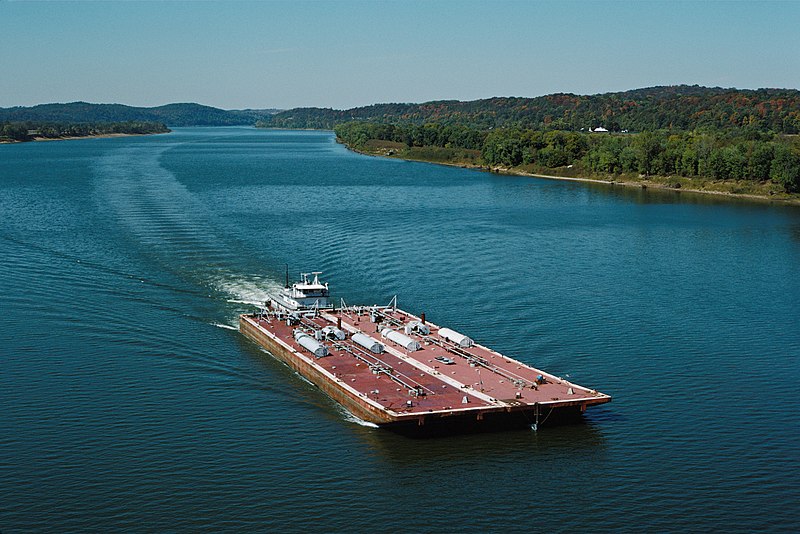
Because most major Ancient Egyptian cities were built along the Nile, it was used as a sort of highway, with boats carrying people and goods from city to city.
Today, more than 95% of Egypt’s population lives along the Nile, which still helps farmers grow a variety of crops.
The Aswan Dam prevents the Nile from flooding modern cities.
Amazon River – the 2nd longest river in the World
The Amazon River is the second longest river in the world, although some people think it’s even longer than the Nile. It flows more than 4,100 miles through the Amazon Rainforest in South America.
It starts in the Andes Mountains and empties into the Atlantic Ocean off the coast of Brazil.
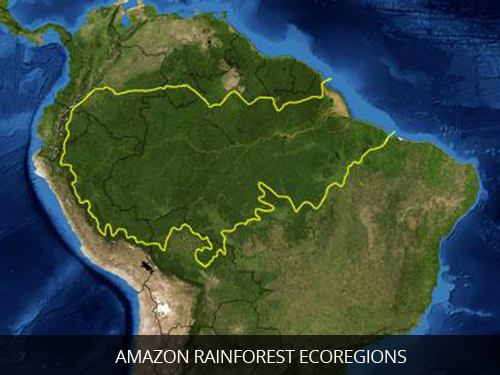
The river also runs through Guyana, Ecuador, Venezuela, Bolivia, Colombia and Peru.
Read Bolivia facts for kids on this article.
The Nile might be longer than the Amazon, but the Amazon is the world’s widest river. In some places during the rainy season, the river is more than 30 miles wide.
In fact, about 1/5 of all the water that flows on Earth’s surface is carried by the Amazon!
There are over 1,100 tributaries (smaller rivers) that flow into the Amazon.

The river is home to over 5,600 species of fish and other animals.
This includes the endangered Amazon river dolphin, which changes from white to pink as it ages.
But you might not want to take a swim here—three of these species also include electric eels, anacondas, and flesh-eating piranhas!
That didn’t stop a man named Martin Strel from swimming the entire length of the Amazon in 2007. He swam about 10 hours a day for 66 days. Wow!
Ganges
The Ganges River is 1,569 miles long. It starts in the Gangotri Glacier in the Himalayan Mountains, flowing across India and Bangladesh into the Bay of Bengal.
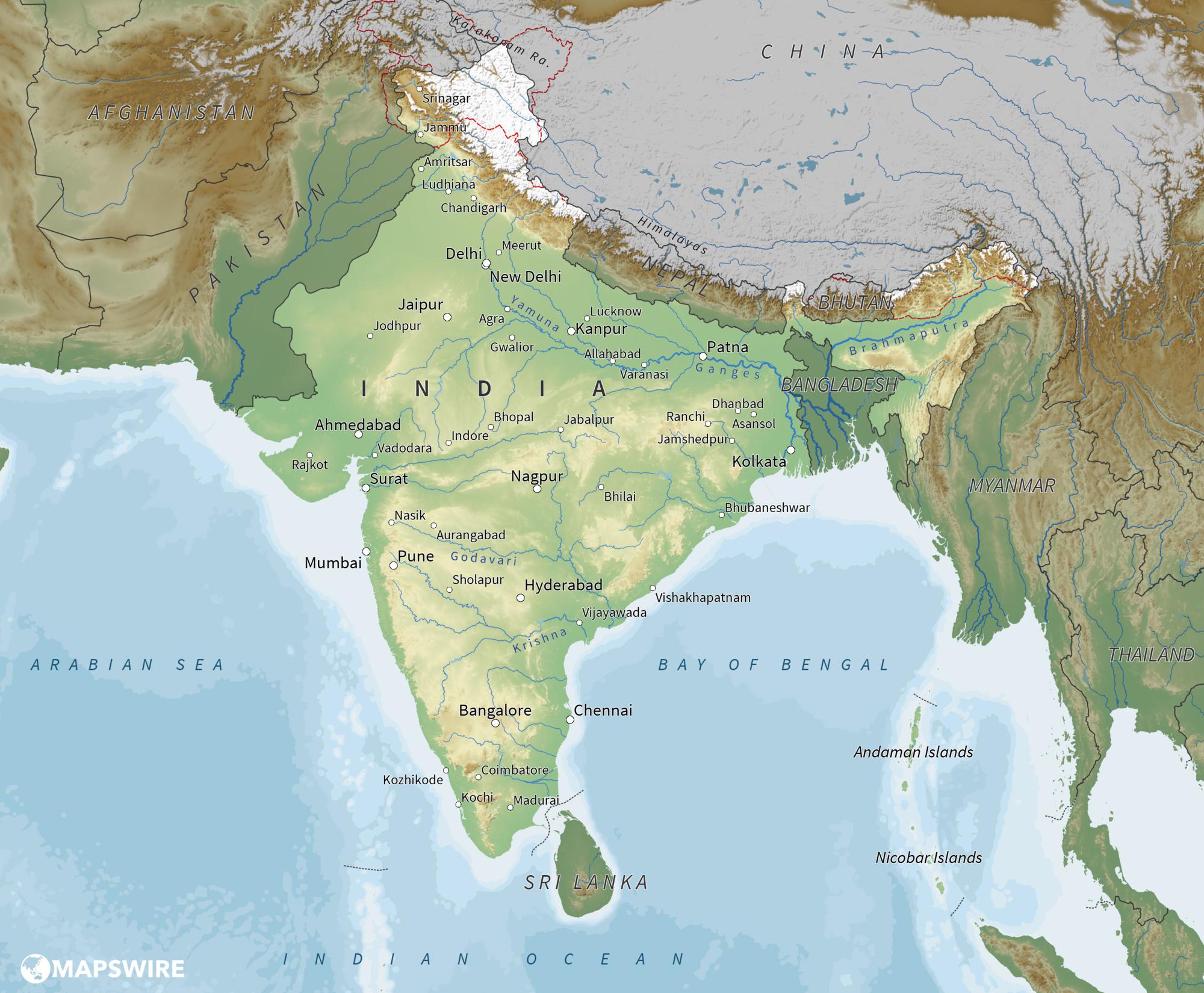
In the Indian religion Hinduism, the Ganges River is considered sacred or holy. It is worshipped as the goddess Ganga and is a popular place of worship.
The soil along the Ganges River is extremely fertile, meaning it helps crops grow.
These crops include rice, sugarcane, lentils, wheat, and potatoes.
The Ganges is also home to more than 90 species of amphibians, 140 species of fish, and unique species like the Ganges river dolphin, Ganges river shark, and birds that can’t be found anywhere else in the world.
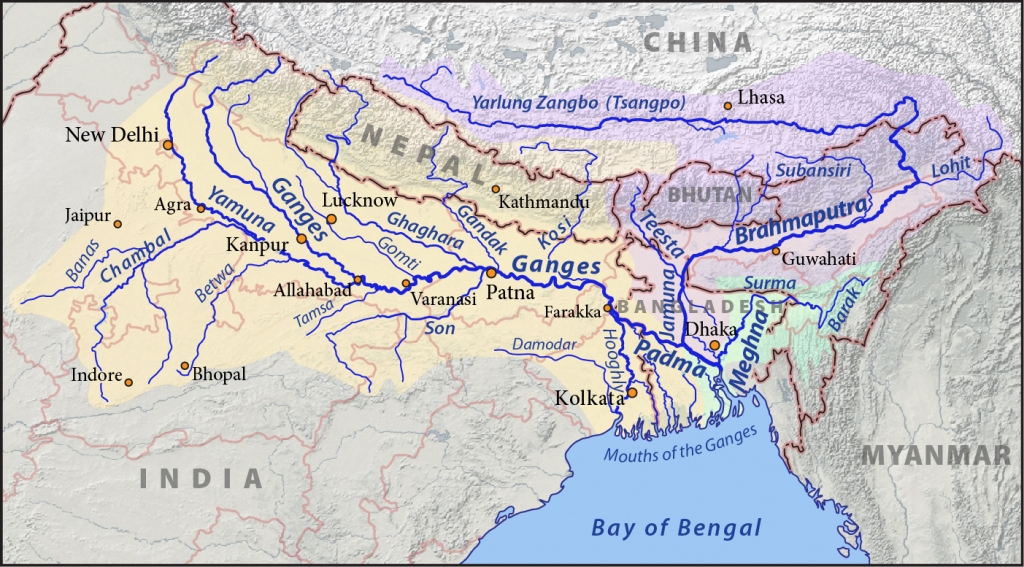
The river provides drinking water for over 400 million people. Unfortunately, it’s also extremely polluted—it’s the fifth most polluted river in the world.
It flows through highly populated cities near factories and farms. Untreated sewage, pounds of garbage, and dangerous chemicals get dumped into the water.
Efforts are being made to clean up the Ganges.
This is an important issue for millions of people, plus the animal species that depend on the Ganges River to help them survive.
Also Read: Water Pollution Facts
Mississippi – the longest river of North America
The Mississippi River is 2,340 miles long and flows through ten U.S. states: Mississippi, Louisiana, Arkansas, Tennessee, Kentucky, Missouri, Illinois, Iowa, Wisconsin, and Minnesota.
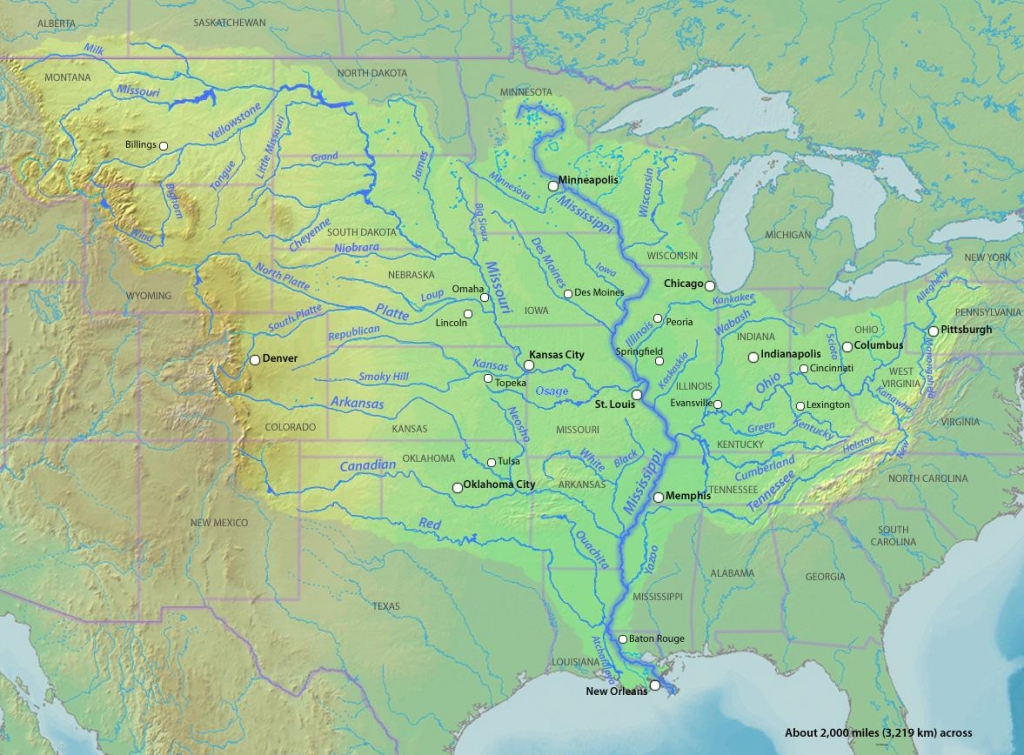
The Mississippi flows from Minnesota’s Lake Itasca and into the Gulf of Mexico.
It combines with the Missouri River to form North America’s longest river system, and the fourth longest in the world.
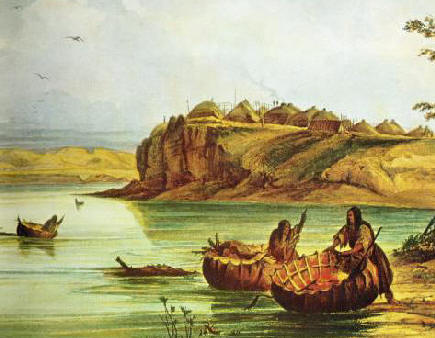
For many Native American tribes, the river was important for fishing, farming, and trading. Later, control of the river switched back and forth between several countries.
The fight for control of the Mississippi was also a major issue during the Civil War. Everyone understood the river’s importance.
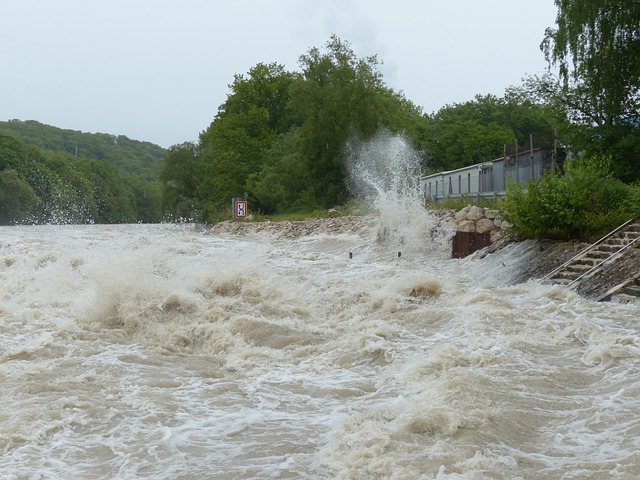
Today, the river continues to be a major travel and trade route. It also provides water and hydroelectric power to several states, and thousands of rivers and streams drain extra water into the Mississippi.
This saves lives by keeping these rivers from flooding.
The Mississippi River is home to more than 240 species of fish—25% of all fish species found in North America!
Most farm-raised catfish in the United States come from catfish farms in Mississippi.
And remember Martin Strel, who swam the length of the Amazon?
He also swam the Mississippi in 2002! It took him 68 days to complete the swim.
Danube
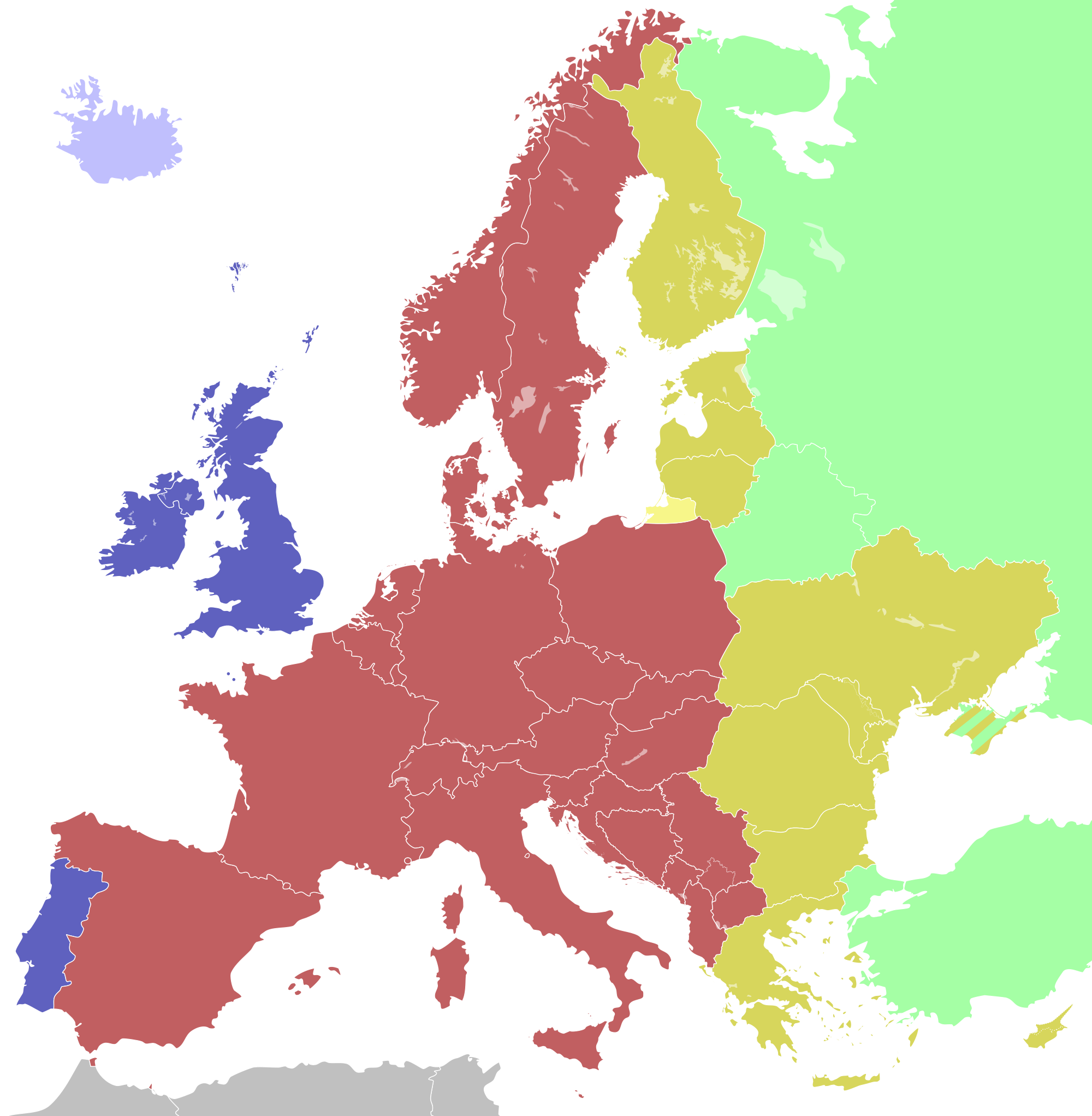
The Danube River flows through nine countries in central and eastern Europe: Germany, Austria, Slovakia, Hungary, Croatia, Serbia, Bulgaria, Romania, and Ukraine.
It runs about 1,770 miles from the Black Forest Mountains in Germany to the Black Sea. It’s Europe’s second longest river.
The river is considered one of the most important shipping routes in Europe.
About 20 million people use the Danube for drinking water, and it’s popular for luxury and travel cruises too. It’s also used for hydroelectricity, transportation, fishing, and more.
There are more than 5,000 species of animals, birds, and plants in the Danube.
The famous river has appeared in movies, books, and songs, including the lullaby “On the Beautiful Blue Danube.”

Hundreds of thousands of people visit the Danube River each year. There are many tourist attractions along the Danube, including palaces, museums, memorials, and the home of Anne Frank.
One of the most famous is Austria’s Schonbrunn Palace, which has 1,441 rooms.
Yangtze – the longest river in Asia
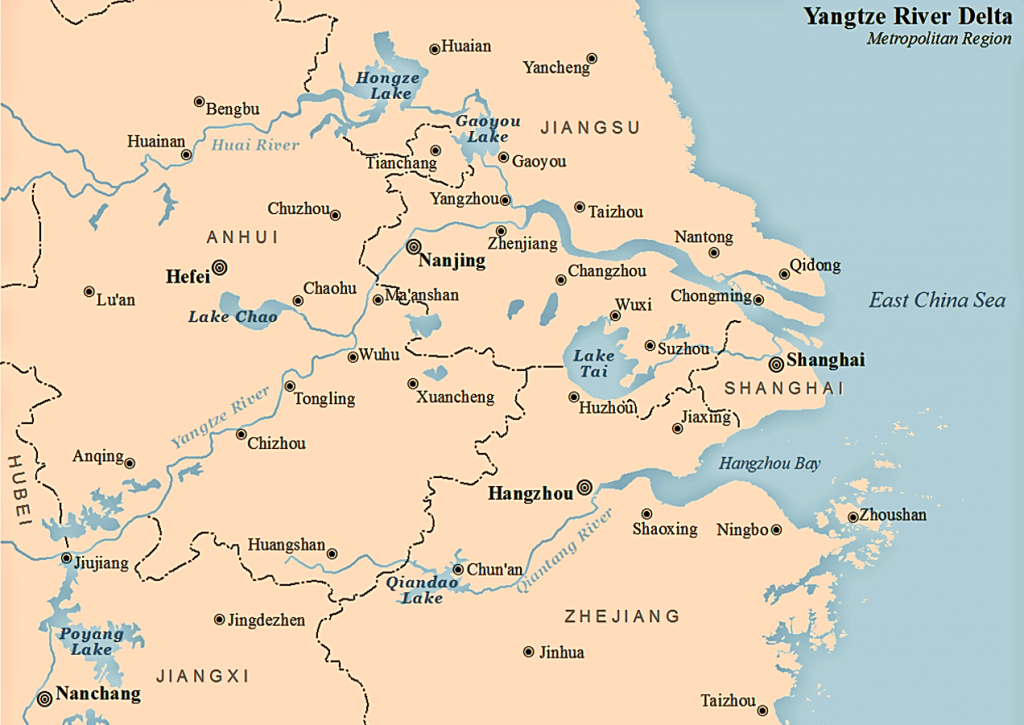
The Yangtze River is the third longest river in the world at 3,917 miles, and it flows through nine of China’s providences.
It’s the longest river in Asia and runs from the Tanggula Mountain Range to the East China Sea in Shanghai.
Many people view the river as a dividing line between North and South China.
The area to the north of the river is very different from the area to the south when it comes to customs, culture, economics, scenery, and climate.
For 2,000 years, the Yangtze has been an important transportation route in China. The river also brings huge amounts of silt on shore in the Jiangsu Province, where much of the world’s rice is grown.
Like the Ganges, the Yangtze is heavily polluted from the large population and businesses along the river.
The river is still home to three of the world’s most endangered species: the Chinese paddlefish, the Chinese alligator, and the finless porpoise.
The river is also the location of the Three Gorges Dam, a 26-billion-dollar project that is a source of electricity for China.
However, many people don’t like the dam, because more than a million people had to leave their homes for its construction.
Mekong
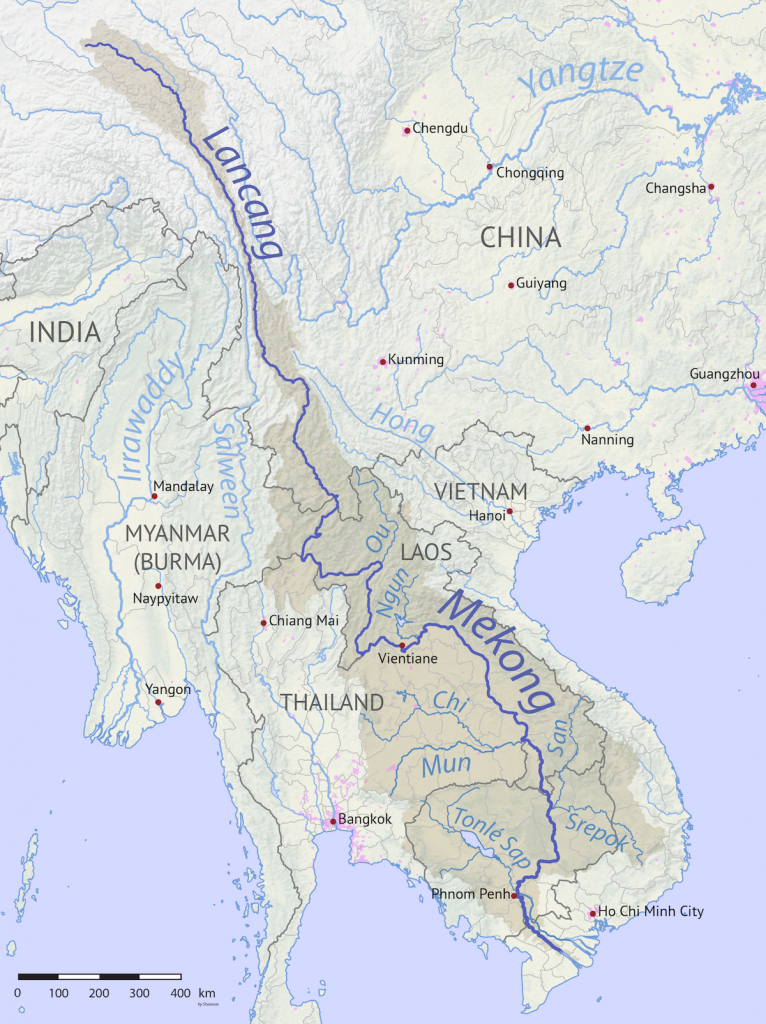
Located in Southeast Asia, the Mekong River flows from the Tibetan Plateau to the Mekong Delta and into the South China Sea.
At 2,703 miles long, it’s the 7th longest river in Asia and the 12th longest in the world.
The river flows through countries including China, Burma, Laos, Thailand, Vietnam, and Cambodia.
It’s an important route for transportation and trade, but its rapids and changing flow sometimes make the river difficult to navigate.
The Mekong River is home to more large species of fish than any other river in the world.
These include the Giant Pangasius, the Siamese Giant Carp, the Mekong Giant Catfish, and the Mekong Freshwater Stingray.
It’s also home to over 800 other species of fish, plus 430 mammal species, 1,200 bird species, 800 reptile species, and 20,000 plant species.
The world’s largest inland fishery is located in the Mekong River Basin.
The river is extremely important to the area’s food, transportation, farming, and power generation. In Cambodia, 80% of the population’s protein comes from fish in the Mekong River.
50% of the water used on crops in Vietnam comes from the Mekong too.
Volga – the longest river in Europe
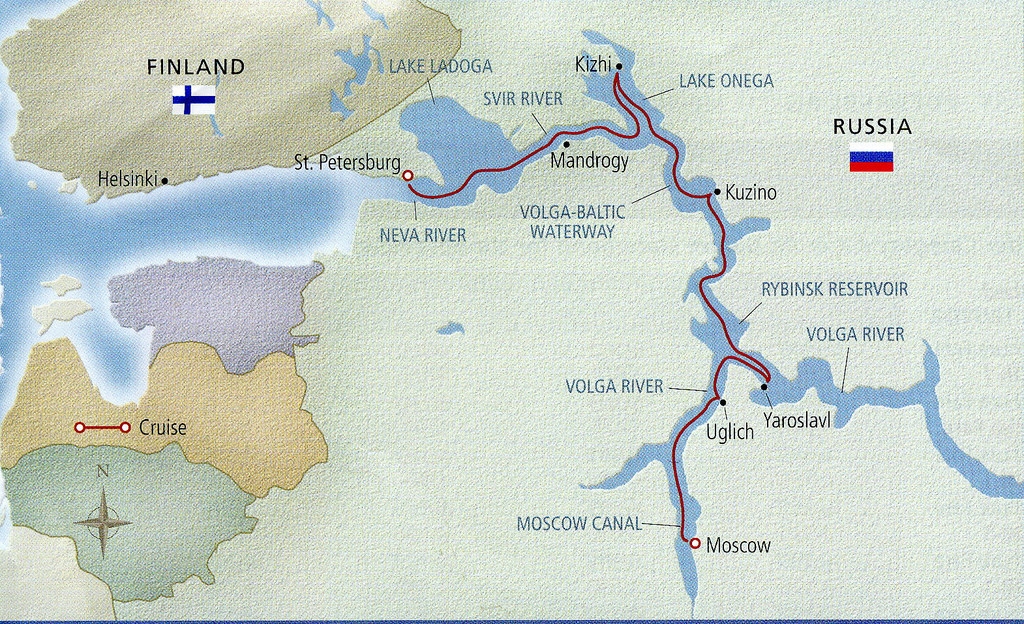
The Volga River, located in Russia, is the longest river in Europe. It flows 2,294 miles from the Valdai Hills and into the Caspian Sea.
The word “Volga” comes from a Slavic word meaning “moisture” or “wetness.” In some areas, the river is so wide that you can’t see the other side.
The river is often frozen for about three months in the winter. When it’s not frozen, the river is an important waterway in Russia.
It carries 50% of Russia’s river freight (cargo transported along rivers) and is a source of hydroelectric power and water for crops.
The Volga is known for its large sturgeon population (both in numbers and in size).
Have you ever heard of caviar? It’s a Russian delicacy made from fish eggs—specifically, sturgeon eggs.
The sturgeon found in the Volga are often harvested to make this interesting treat.
In Russian culture, the Volga is known as “Mother Volga.” It’s featured in Russian stories, songs, and folklore.
Unfortunately, the Volga has been damaged by pollution from factories along the river.
An estimated 10 billion cubic yards of waste is dumped into the river each year, including chemicals.
Thames
The River Thames is only 215 miles long, but it’s the second-longest river in England, after the River Severn.
When the Romans invaded Britain in AD43 (a very long time ago), they called the river “Tamesis,” which means “dark water.”
The river’s modern name, Thames, is pronounced “tems.”
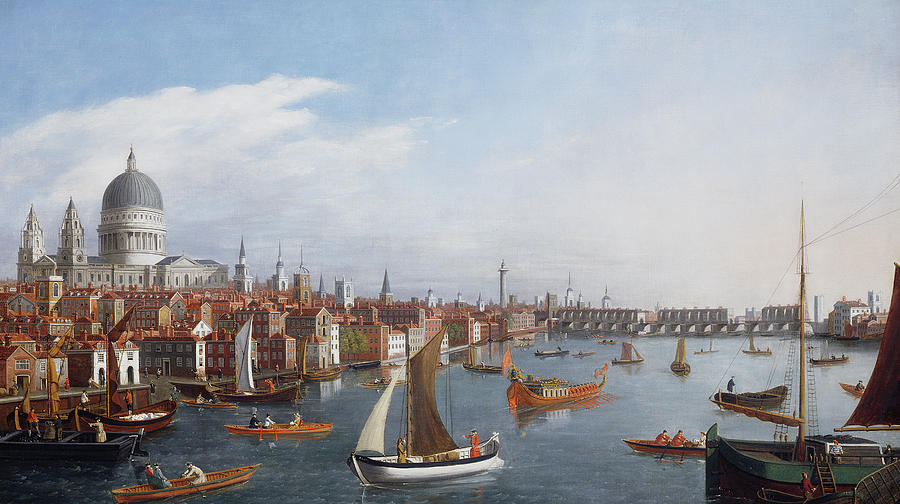
In the past, the Thames was used to dispose of raw sewage.
But the river got so dirty and smelly that this practice ended in 1858. Today, at least 2/3 of London’s drinking water comes from the Thames.
Since prehistoric times, the Thames has been an important “highway” for transportation and trade.
In the Middle Ages (also a long time ago), boats used the river to bring fish, wood, wool, and people to London.
Starting in the 1700s, ships carried tea, silk, spices, sugar, and timber from other countries along the Thames.
Sometimes, the river was so full of traffic that ships waited in line for days to unload their cargo!

The famous London Bridge stretches across part of the Thames, along with more than 200 other bridges and over 20 underwater tunnels.
The Thames has appeared in paintings, movies like Indiana Jones, and classic books such as Alice in Wonderland and The Wind in the Willows.
Zambezi
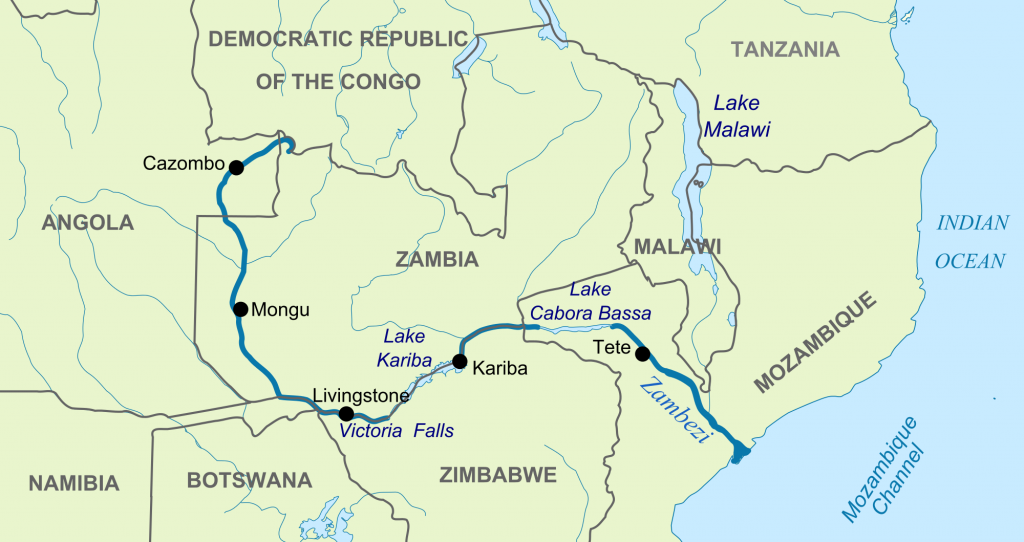
The Zambezi River is the fourth longest river in Africa and its longest east-flowing river. It runs through six African countries: Zambia, Angola, Namibia, Botswana, Zimbabwe, and Mozambique.
The river travels 1,599 miles from North Zambia to Mozambique, then into the Indian Ocean.
The Zambezi is one of the least explored rivers in the world, making it one of the cleanest and best-preserved rivers too.
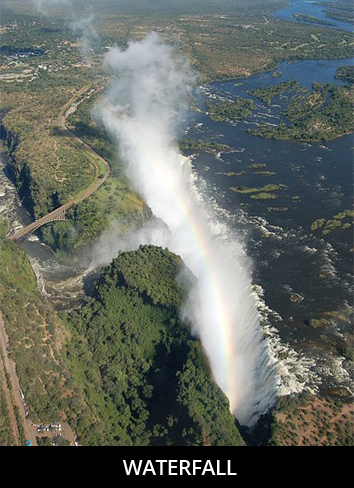
Several national parks, safaris, and waterfalls can be found along the river, including Victoria Falls, the largest in the world.
Hydroelectric dams along the river power several African countries, and its water helps many crops grow.
Locals who depend on the Zambezi call it “the River of Life.”
Many species depend on the Zambezi too, including crocodiles, hippos, elephants, lions, black rhinos, and bull sharks.
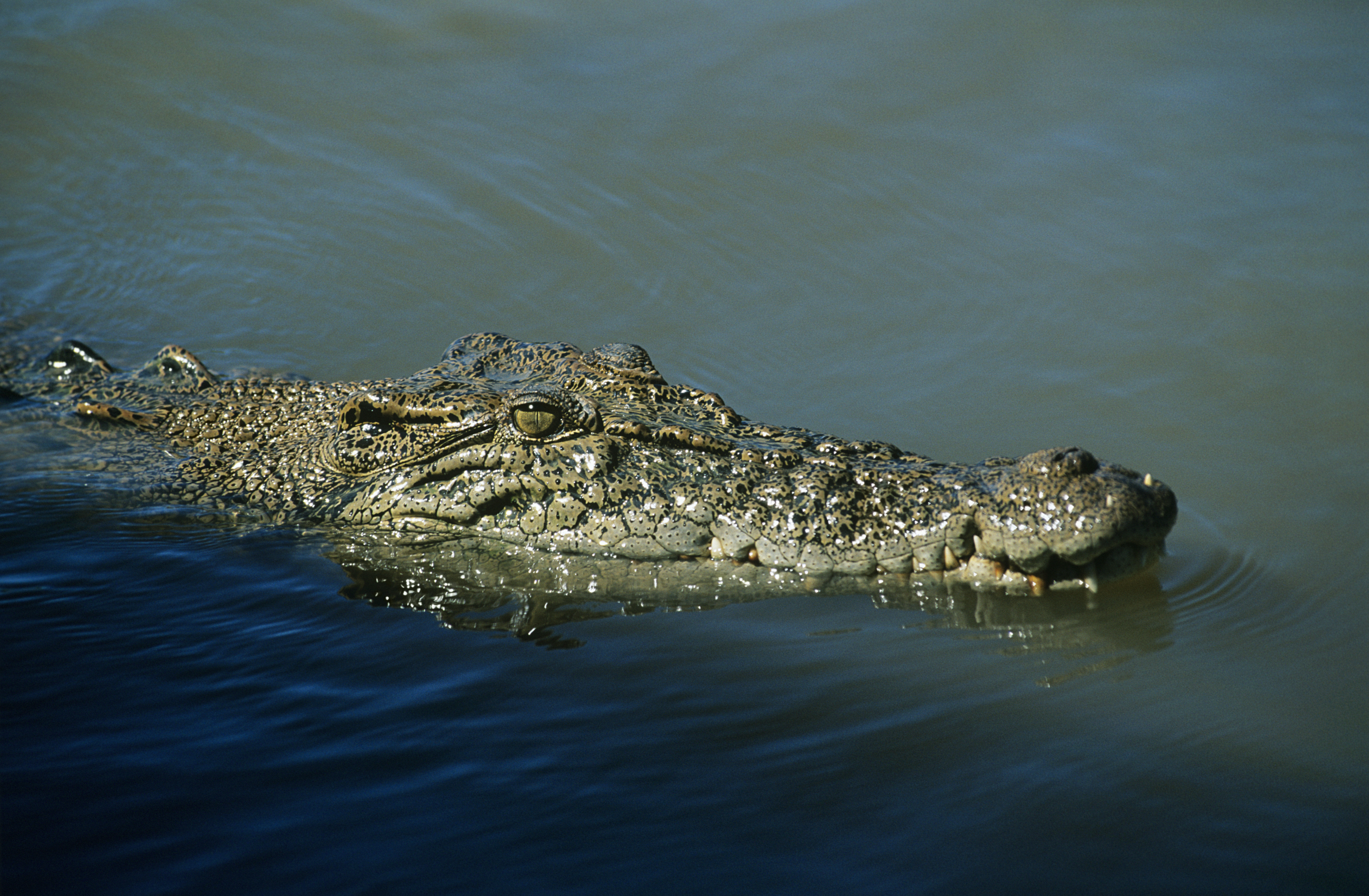
An estimated 80% of people in the Zambezi Valley rely on the Zambezi River for agriculture and survival.
Many of them believe that the river is protected by water spirits they call Nyami-Nyami.
For 300 years, a festival called Kuomboka has been held to celebrate the river’s annual flooding. It involves a tribal chief paddling along the river to higher ground.
When the chief safely arrives on higher ground, he’s welcomed by thousands of people, traditional dancing, and a delicious feast.
Rhine
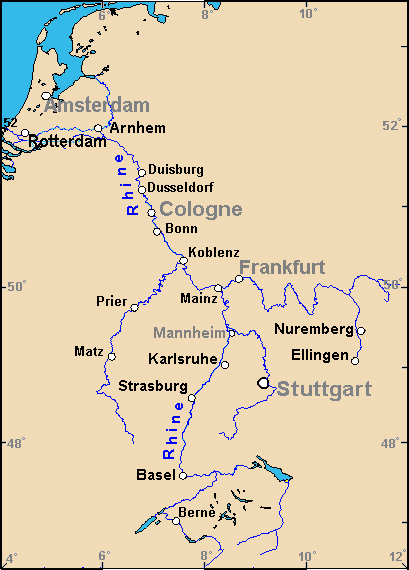
The Rhine River flows from the Swiss Alps to the Netherlands, then into the North Sea. The 764-mile long river is the second longest in Central and Western Europe.
Since the days of the Roman Empire, the Rhine has been an important transportation route linking southern and northern Europe.
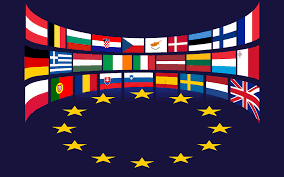
It passes through six countries: Switzerland, Principality of Liechtenstein, Austria, Germany, France and the Netherlands.
As the Rhine enters Germany, it forms the border between Germany and France. See more below or with this alternative map.
Years ago, the Rhine was considered one of Europe’s most polluted rivers.
In 1986, a chemical factory fire in Switzerland made the pollution problem much worse, killing millions of fish and wildlife along the river.
After the 1986 fire, the Rhine Action Plan was put into place to clean up the river.
Today, the river isn’t completely pollution free, but the salmon have returned. Salmon are a species of fish who are very sensitive to the quality of the water they live in.
Seine
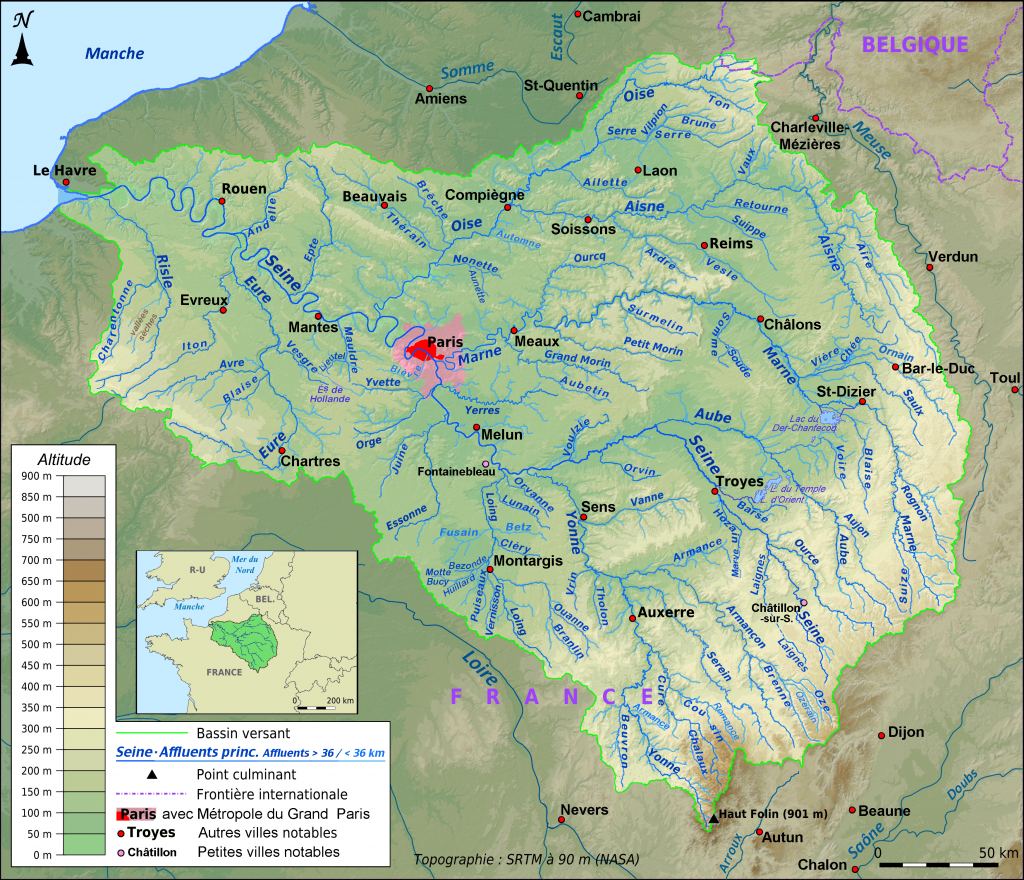
The 483-mile Seine is the second longest river in France (Loire is the longest river in France at 1,020 km) and one of the most popular tourist attractions in Paris. It flows exclusively in France and doesn’t pass through any other countries.
Each day, the river is active with tourists going on boat rides, locals using water taxis for transportation, and businesses shipping stone and building materials.
The river is used for drinking water and to cool electric power stations nearby.
From the Seine, you can see many popular Paris landmarks, including the Eiffel Tower, the Louvre, and the Cathedral of Notre Dame.
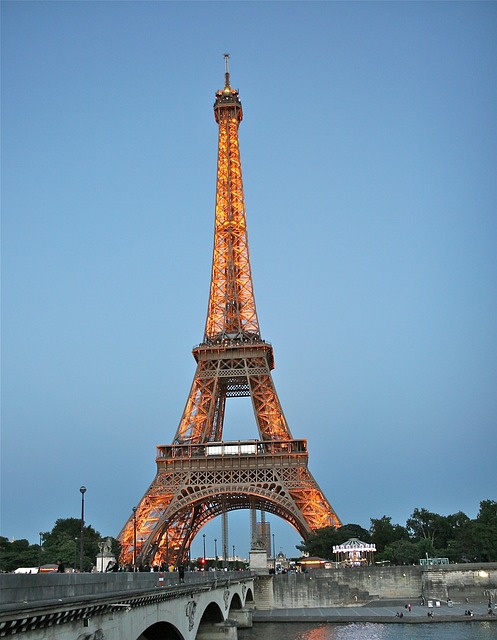
The river plays a huge role in European history, culture, art, and literature.
Each summer, “pop-up beaches” called the Paris Plages are opened along the Seine.
These beaches include tons of sand, palm trees, beach chairs, ice cream stands, and even free concerts.
At a pop-up beach called La Villete, sailboats, canoes, pedal boats, and kayaks are free to the public.
Like the Rhine, the Seine has experienced major pollution problems in the past, but salmon have returned in recent years as the water quality has improved.
Orinoco
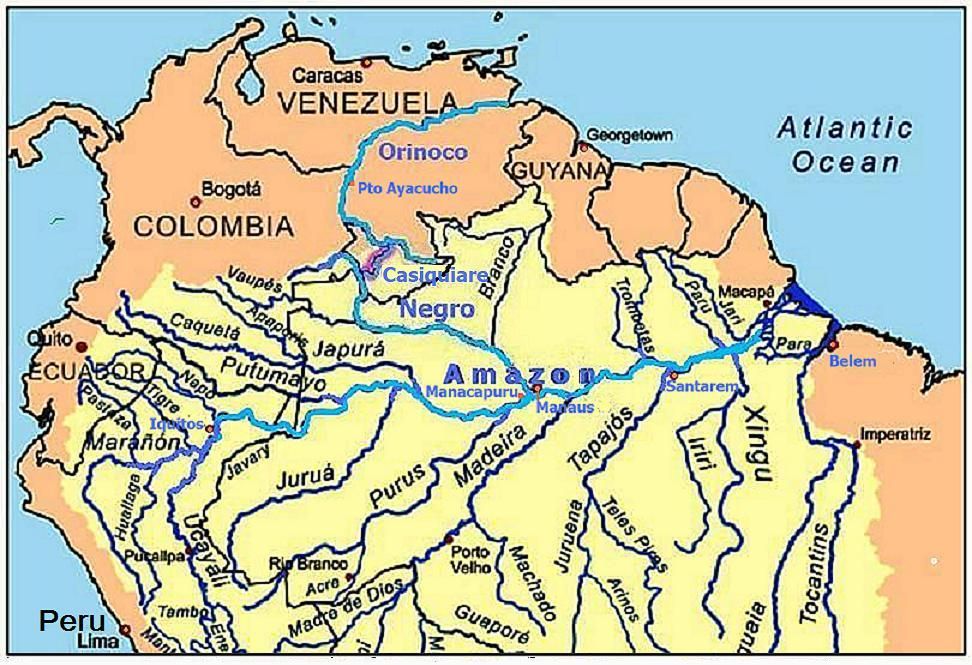
The Orinoco River flows for 1,700 miles in South America. About 75% of the river is located in Venezuela, while the rest is in Colombia.
It travels in the shape of a giant arc through rainforests, grasslands, and a delta.
The Piaroa people, who have lived in the Orinoco River Basin for thousands of years, depend on the river to support their traditional way of life.
Men fish along the river, while women use its water to grow vegetables and other crops.
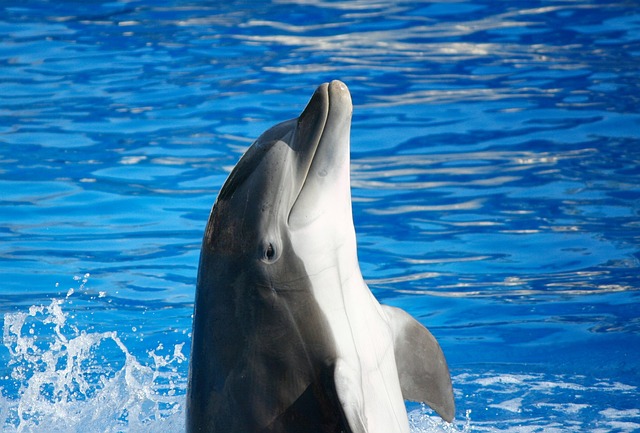
The river is home to species including river dolphins, the giant anaconda, giant river otters, and the Orinoco crocodile.
The endangered Orinoco crocodile is one of the longest crocodile species in the world, with some growing to 20 feet in length.
Many colorful species of birds, like flamingoes, parrots, and the scarlet ibis live along the Orinoco.
It’s also a habitat for over 1000 species of fish, including electric eels, piranhas, and a species of catfish called the Laulao. Laulao catfish can weigh over 200 pounds!
People use the Orinoco for transportation, ranching, farming and hydroelectric power. The river is also mined for iron ore, nickel, and other minerals.
Pollution from these industries is beginning to threaten the health of the Orinoco River.
Missouri
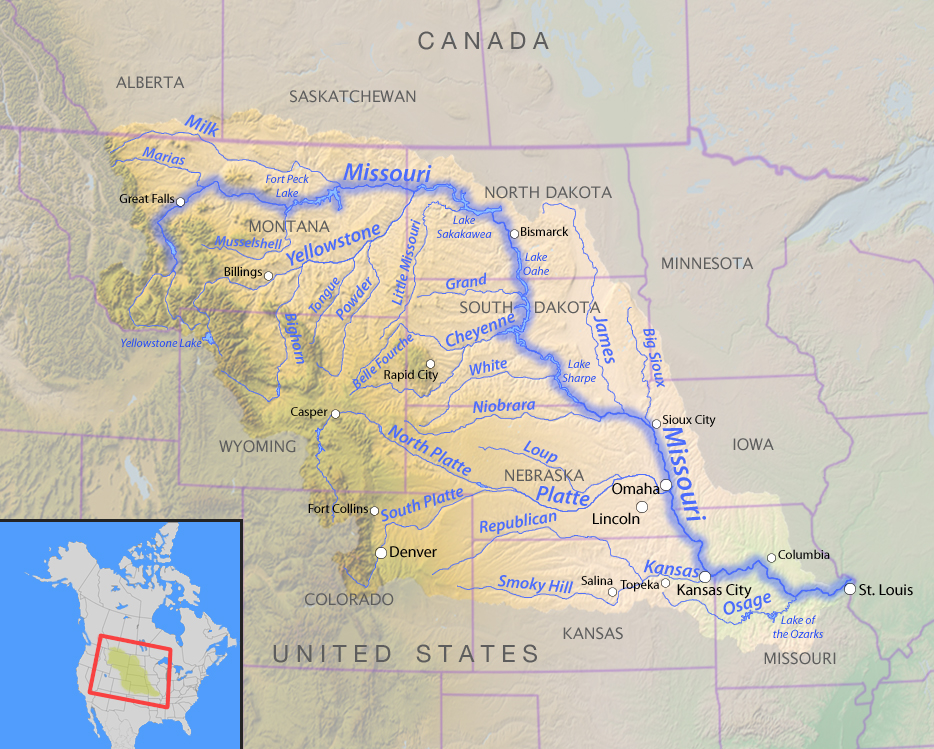
North America’s longest river is the Missouri, which travels 2,341 miles from western Montana to just north of St. Louis, Missouri, where it meets the Mississippi.
It’s the 15th longest river in the world.
The Missouri River flows through Montana, North Dakota, and South Dakota and passes by Kansas, Missouri, Nebraska, Kansas, and Iowa.
The famous explorers Lewis and Clark were the first to travel the entire length of the Missouri in 1804.
For thousands of years, the Missouri has been a major source of transportation, trade, exploration, and agriculture for millions of people.
About 1/3 of U.S. wheat, barley, flax, and oats grows along the Missouri.
The Missouri is home to about 150 species of fish and 300 species of birds, and many historical landmarks and national parks are located along the river.
Some of these parks include Yellowstone National Park and Rocky Mountain National Park.
The river is popular for water sports and activities.
The river is nicknamed “Big Muddy” and “Muddy Mo” because it sometimes moves large amounts of soil.
There have been many floods in the Missouri River’s history, but dams have been built to prevent more flooding in the future.
However, these dams interrupt the flow of the river and change its natural environment.
Modern industrial and agricultural use of the Missouri has also affected the river’s water quality and the fish and animal populations.
Earth Science – learn about mountains, volcanoes, earthquakes and much more!
Conclusion
In conclusion, the globe is fortunate to have a wide variety of well-known rivers, each of which has distinctive qualities and significance. The landscapes, cultures, and history of the regions they pass through have all been significantly shaped by these rivers, from the enormous Amazon to the legendary Nile. Whether it’s the Mississippi in the United States, the Yangtze in China, or the Ganges in India, these rivers never cease to capture our attention and offer priceless resources to the communities who depend on them. Investigating the details of these well-known rivers helps us better comprehend the natural beauties that exist on our planet and serves as a reminder of how intertwined our planet’s ecosystems are.
FREQUENTLY ASKED QUESTIONS
1. What are some key features of the Colorado River in the United States?
Aproximate length of the Colorado River in the southwest of the United States is 2,334 km (1,450 miles). It creates magnificent canyons like the Grand Canyon as it passes through seven states in the United States and two in Mexico. The river sustains a variety of ecosystems and is a vital source of water for millions of people. As a result, significant dams like the Hoover Dam and Glen Canyon Dam were built, which produce hydroelectric power and supply water for irrigation and urban areas. Recreational pursuits like boating and fishing are very popular in the Colorado River Basin.
2. What is unique about the Amazon River in terms of its size and biodiversity?
The magnitude and richness of the Amazon River are absolutely extraordinary. With a length of about 6,400 kilometres (4,000 miles), it is the second-longest river in the world and the largest by discharge volume. It runs through South America. The Amazon rainforest, which is known as the planet’s most varied environment, is located in the river basin.
The renowned pink river dolphin, anacondas, piranhas, and innumerable bird species are just a few of the amazing plant and animal species that this spectacular river supports. It is frequently described to as the “lungs of the planet” due to its large contribution to oxygen creation and its crucial function in controlling the climate.